Fraud is one of the fastest growing threats affecting everyday consumers, businesses, and financial institutions. Many people picture cybercriminals breaking into systems using advanced technical skills, but in reality, most fraud begins with human behavior. At the same time, technical fraud is becoming more sophisticated as criminals use automation and AI to exploit financial systems.
Whether it is an email asking you to click a suspicious link, a scammer pretending to be a legitimate business, or an AI system trying thousands of fake transactions in seconds, the goal is always the same. Criminals want access to your money or your information.
Understanding where fraud actually comes from is the first step in protecting yourself.
Key Takeaways for Our Members
- Most fraud starts with human behavior, not computer hacking. Criminals rely on manipulating emotions like trust, fear, urgency, and excitement to get people to act quickly.
- Your instincts are usually right. When something feels off, that early warning is often accurate, but emotions can override it because we want the story or opportunity to be true.
- Social engineering is the number one driver of fraud. Scammers pretend to be trusted people or organizations to push you into decisions you would never make on your own.
- Technical fraud is growing fast thanks to AI. Criminals now use automation to test card numbers, guess passwords, and mimic normal online behavior at massive scale.
- Fake online auto dealers are becoming a major national scam. Professional looking websites with stolen photos and low prices are used to trick buyers into paying for cars that do not exist.
- AI voice cloning creates realistic sounding emergency calls from “family members.” Scammers only need a few seconds of audio to imitate someone you know and pressure you into sending money.
- Urgency is one of the biggest red flags. Anything involving immediate payment, secrecy, or emotional pressure is almost always a scam.
- Scammers commonly use irreversible payment methods. Fraudsters prefer wire transfers, gift cards, crypto, or payment links because once the money leaves your account, it cannot be recovered.
- Fraud affects even careful, intelligent people. Scams succeed because they target human nature, not lack of awareness. Slowing down and verifying is your strongest defense.
- Your credit union is here to help. When something feels suspicious, contacting us before acting can prevent losses and help you stay protected.
Social Engineering vs. Technical Fraud
Social Engineering, The Human Factor
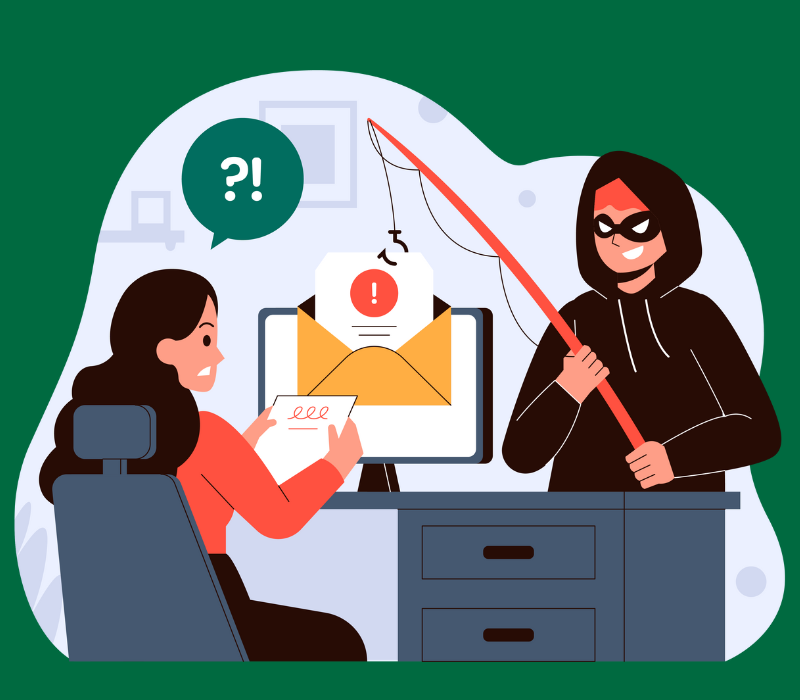
Social engineering is involved in 60 to 98 percent of global breaches. Phishing, impersonation, and manipulation continue to be the most common ways criminals gain access to accounts or personal information. These scams work because they target human instincts, such as trust, urgency, or fear.
Criminals may pretend to be a bank employee, a government agency, or even a family member. Their goal is simple. They want you to take an action that benefits them, often before you have time to think.
Technical Fraud, When Criminals Target the System Instead of the Person
Technical exploitation is less common, but it is growing quickly. It includes things like:
- AI assisted card testing
- Automated credential guessing
- Attacks on unpatched systems
- Fraud through vulnerable websites or payment portals
Last fall, our organization experienced this firsthand. Attackers used AI tools to study our card number patterns, then sent thousands of small authorization attempts across various merchants. There was no phishing, no malware, and no employee involvement. It was a purely automated fraud attempt that looked like normal transaction activity.
Our security systems detected and blocked the attack, but it highlights how technical fraud is evolving and becoming faster and more automated than ever.
Why Social Engineering Works Even When We Feel Something Is Off
Social engineering succeeds because it targets human emotion, not logic. Many times, people notice that something feels wrong very early in the interaction. Maybe the seller will not allow an in-person inspection. Maybe the price looks too good. Maybe the story does not quite add up. Our instincts are good at detecting risk, and most of us can sense when something is not quite right.
However, fraudsters understand something deeper about human behavior. Even when we feel the red flags, there is often a louder voice inside us that wants the offer to be real. People want a great deal. They want the problem to be solved quickly. They want to believe that the opportunity is legitimate. That emotional pull can overpower the quiet warning we feel in our gut.
This is exactly why social engineering is so effective. Criminals build their scams around the things people hope for.
Examples include:
- A vehicle priced far below market value
- A seller claiming someone else is ready to buy unless you act now
- A message from a “family member” asking for help
- An unexpected refund or prize
- A threat from someone claiming to be from a government agency
All these situations are designed to create urgency, excitement, or fear. In high emotion moments, the brain shifts into reaction mode instead of analysis mode. The internal voice that says “I knew something was wrong” often appears only after the fraud is complete.
This is not a flaw in intelligence. It is simply human nature.
Fraud works because it plays on our hopes, our habits, our fears, and our desire to trust people. That is why slowing down is one of the most powerful tools we have. Taking a moment to pause, ask a question, verify a detail, or contact us at the credit union can be the difference between safety and becoming a victim of a scam.
If something feels off, it probably is. Trust that first instinct. Then double check before taking action.
Specific Example: Fake Online Auto Dealers
Law enforcement agencies across the country are warning consumers about a growing and highly convincing scam involving fake online auto dealers. Criminals create professional looking dealership websites or social media profiles using stolen photos, cloned listings, and prices that seem too good to be true. Their goal is to trick buyers into sending money for a vehicle that does not exist.
Fraudsters often:
- Copy legitimate listings from real dealerships
- Use stock photos or low-resolution images
- Create websites designed to look professional but missing key pages
- Refuse to allow you to see the vehicle in person
- Pressure you to pay quickly using irreversible methods like wire transfers
If a seller insists on payment before you can inspect the vehicle, that is a major warning sign. These scams are becoming common on Facebook Marketplace, Edmunds, and even sites that appear reputable.
How to Protect Yourself from Fake Auto Dealer Scams
Before buying a vehicle online, keep these protections in mind:
- Always inspect the vehicle yourself or send a trusted mechanic on your behalf.
- Research the dealer or seller and make sure they actually exist.
- Use Google Maps to verify the address of the dealership.
- Never send money through wire transfers, cryptocurrency, or gift cards.
- Request the VIN and verify the vehicle history through Carfax or AutoCheck.
Again, if you believe you have been scammed, you should report it to:
- The Federal Trade Commission
- Your State Attorney General’s office
- The Better Business Bureau
And of course, reach out to us right away so we can help guide you through the next steps.
Fraudsters Can Use AI to Mimic a Family Member’s Voice
One of the fastest growing forms of social engineering involves criminals using artificial intelligence to clone a person’s voice. With just a few seconds of audio taken from social media, a voicemail greeting, an online video, or even a background clip in a family recording, AI tools can generate a nearly perfect imitation of someone’s voice.
Scammers use this technology to create urgent scenarios. They pretend to be a child, grandchild, sibling, or other family member who suddenly needs financial help. The message might claim they were in an accident, stranded somewhere, arrested, or in another situation where they cannot talk long. The criminal counts on the emotional connection and the instinct to help loved ones.
This type of scam works because it combines two powerful psychological triggers. The voice sounds just like the person you care about, and the message contains intense urgency. Together, these elements push people to react quickly before stopping to verify the situation.
Even when people feel something is not right, that instinct is often drowned out by an even stronger desire for the emergency to be real, or at least for the problem to be solvable. In the moment, the emotional reaction often wins over logic.
How to Protect Yourself from AI Voice Scams
You can lower your risk by building habits that slow down the emotional reaction and give you time to verify what is happening.
1. Always pause before acting
If you receive a call or voice message from a family member in distress, take a moment to breathe and think. Scammers rely on panic and urgency.
2. Hang up and call the person back
Use the phone number already saved in your contacts. Do not rely on the number that called you.
3. Create a family password
Choose a simple word or phrase that only your family knows. If someone calls claiming to be a relative, ask for the password. You can also agree on a question only your family would know the answer to.
4. Contact another family member
A quick call or text to another trusted person can confirm whether the situation is real.
5. Be skeptical of requests for urgent financial transfers
Scammers often demand wire transfers, gift cards, cryptocurrency, or other payment methods that are impossible to reverse.
6. Trust your instincts
If something feels off, it probably is. The emotional weight of the situation may make you want the story to be true, but that is exactly why criminals choose this method. Slow down and verify before reacting.
More Examples of Modern Fraud
Fake CEO Voice Calls
Attackers have used AI-generated voice cloning to impersonate executives and demand urgent wire transfers. This type of scam has fooled experienced employees at legitimate businesses.
Vendor Email Compromise
In some cases, criminals hack into a vendor’s email and wait for the perfect moment to send fake payment instructions. Because the email is legitimate, the scam is very convincing.
Credential Stuffing
Large lists of stolen usernames and passwords are used by automated bots trying thousands of logins per minute. If you reuse passwords, your accounts are more vulnerable.
MFA Fatigue Attacks
Criminals send repeated login approval requests hoping you eventually tap “approve” just to silence the notifications. Always deny unexpected MFA prompts.
Crypto Scams
These scams typically work by convincing someone to send cryptocurrency to a scammer under the promise of quick profits, guaranteed returns, or an urgent financial situation. Criminals often use fake investment platforms, impersonate trusted companies or individuals, or pressure victims into paying with crypto because these transactions cannot be reversed. Once the funds are sent, the scammer disappears and the money cannot be recovered. A common example looks like this: “Send $50,000 to pay the taxes and receive your $500,000 in the account.”
Romance Scam
Romance scams work by building emotional connections over time, then creating a sudden crisis that leads to requests for money. The scammer plays on trust, loneliness, and hope, making the victim want to believe the relationship is genuine even when something feels wrong. Once money is sent, the scammer cuts off contact and disappears.
Fraud Cannot Be Eliminated, but Risk Can Be Reduced
No organization or individual can completely remove the risk of fraud. Humans make mistakes, technology has vulnerabilities, and criminals are constantly adapting; but education, awareness, and smart habits go a long way toward reducing risk.
Here are some of the most effective ways to stay protected:
- Question anything unusual, even if it appears to be from a trusted source.
- Never act on urgent or high-pressure requests involving money.
- Use strong passwords and avoid reusing them across sites.
- Keep your devices and apps updated.
- Monitor your accounts regularly.
- Contact us if anything feels suspicious.
We Are Here to Help
Fraud is evolving quickly, but you do not have to face it alone. If you have questions about a suspicious message, a strange purchase request, or an online listing that does not feel right, reach out to us. We are always here to help you stay safe.



Recent Comments